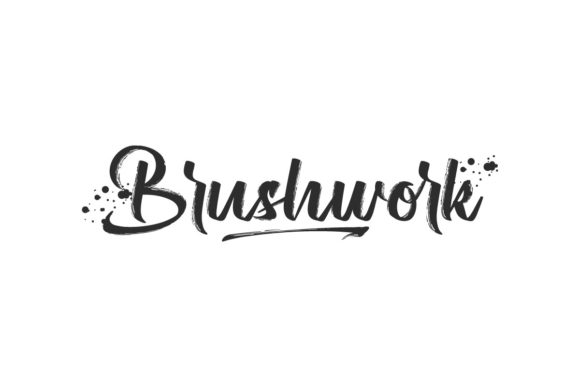
Brushwork: A Handwritten Font with Texture
There I was, staring at a blank brand board, trying to find the right visual voice for a new boutique coffee shop. The client wanted something warm, approachable, and slightly artisanal. I had a few fonts in mind, but none of them felt quite right until I tried Brushwork. It had this organic, textured brush feel that immediately gave the project a sense of personality and authenticity.
What Is Brushwork?
Brushwork is a handwritten font with a textured brush feel. It’s part of the Script Amp collection, designed for creative professionals who want to add a human touch to their work. The font has a natural, uneven stroke that mimics real brush strokes, giving it a tactile quality that stands out in both digital and print formats.
It’s not overly ornate or fussy, which makes it versatile. The slight irregularity in the letters adds character without overwhelming the design. Whether you’re working on a logo, a packaging label, or a social media graphic, Brushwork can bring a sense of warmth and craftsmanship to your work.
Testing Brushwork in Real Projects
I tested Brushwork on several elements of the coffee shop’s brand system. For the logo, it worked well as a headline font, adding a handcrafted feel that matched the shop’s aesthetic. When paired with a clean sans serif, it created a nice contrast that felt modern yet personal.
On a business card, the font looked great at larger sizes, but I noticed that it became less legible when scaled down. That’s something to keep in mind if you’re using it for small text or long paragraphs. It’s definitely best suited for display or accent use rather than body copy.
For the signage, Brushwork added a friendly, inviting vibe. It stood out against a plain background and gave the shop a more personalized feel. On a flyer, it worked well as a heading, drawing attention without being too distracting.
Where Brushwork Shines
Brushwork excels in projects where a handmade or artistic touch is desired. It’s perfect for branding that leans into creativity, such as a boutique, a skincare line, or a handmade shop. Its texture gives it a unique presence that can make a brand feel more authentic and relatable.
In web design, it works well as a hero header or a callout. It adds visual interest without being too flashy. On social media graphics, it can be used to highlight key messages or create a cohesive look across posts.
For editorial design, like a magazine spread or a brochure, Brushwork can be used as a decorative element. It pairs well with other fonts, especially when used sparingly. A serif font like Playfair Display or a modern sans serif like Montserrat can balance its organic feel.
Limitations and Considerations
While Brushwork is a great choice for many projects, it’s not ideal for every situation. In corporate or formal settings, it might feel too casual or unprofessional. If you’re designing for a law firm, a financial institution, or a tech startup, you might want to go with a more structured typeface.
Readability is another factor. At smaller sizes, the texture can make the letters harder to distinguish. This means it’s best used for headlines, logos, or short phrases rather than long blocks of text. Always test it in different contexts before finalizing a design.
Also, consider the licensing. Brushwork is a commercial font, so make sure you have the proper license if you’re using it for client work, merchandise, or digital products. Some licenses may restrict how the font can be used, so it’s important to check the terms before integrating it into a project.
Final Thoughts
Brushwork is a font that feels alive. It brings a sense of movement and texture that can elevate a design from good to memorable. Whether you’re working on a logo, a packaging mockup, or a website header, it has the potential to add a unique visual identity to your work.
If you’re looking for a font that can add a personal, artistic touch to your designs, Brushwork is definitely worth considering. Just remember to use it wisely and pair it with other fonts that complement its style. With the right approach, it can become a powerful tool in your design arsenal.